

Choosing a Vehicle Immobiliser in Doncaster
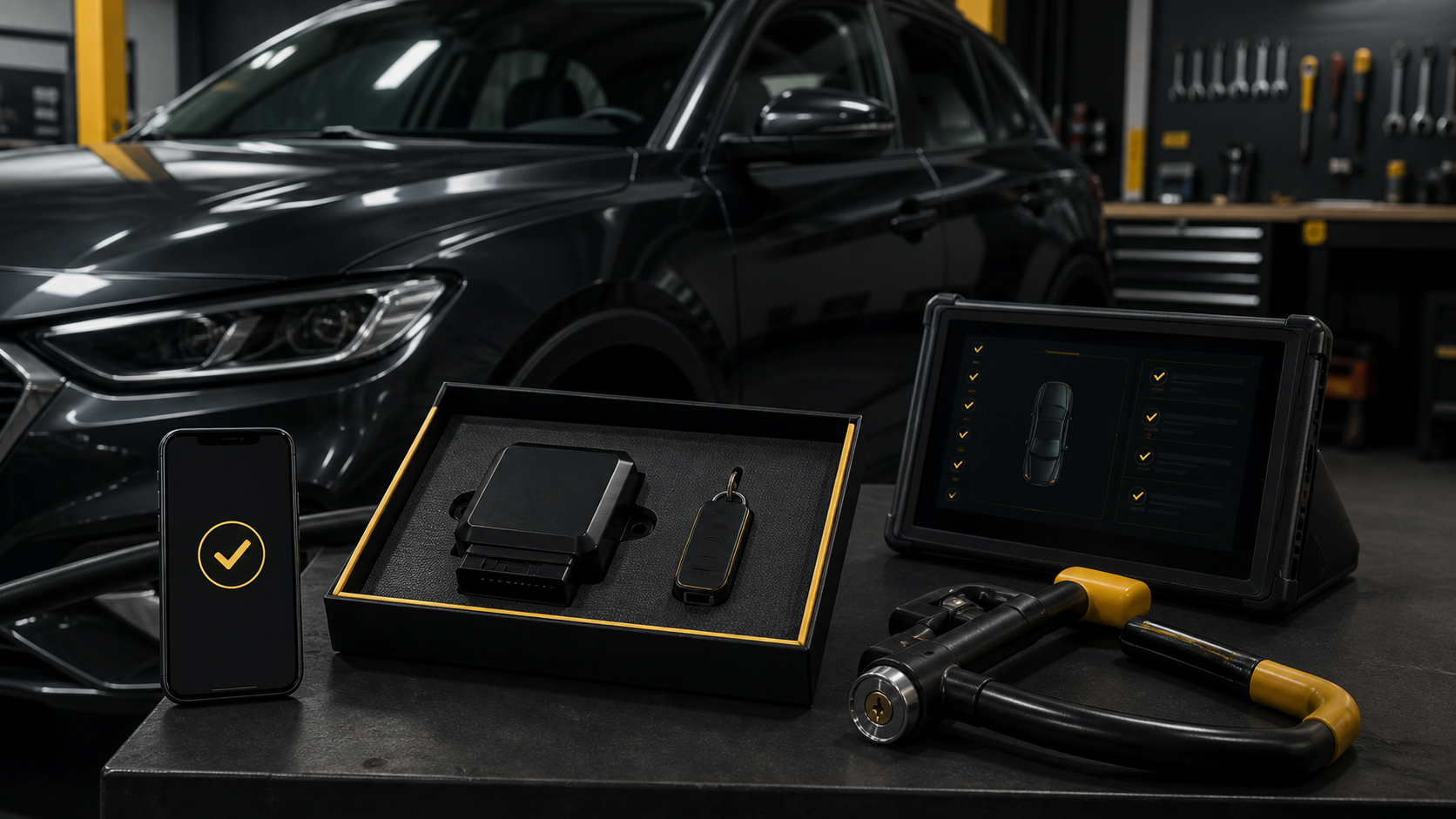
Choosing a vehicle immobiliser in Doncaster should begin with the exact vehicle, theft risks, insurance requirements and how the owner uses the car. A suitable system adds an independent authorisation layer without compromising reliability, diagnostics or emergency access. Product claims matter less than verified compatibility and professional installation.
What an additional immobiliser does
A factory immobiliser normally requires an authorised transponder or smart key before the engine can start. An aftermarket immobiliser adds another controlled authorisation step or interrupts selected start-related circuits. Its role is to delay or prevent unauthorised use after access has been gained.
It does not physically stop the vehicle being lifted or recovered, and it is not a tracking device.
Define the threat you are addressing
Consider keyless relay exposure, theft of the physical key, unauthorised key programming, driveway access and the vehicle’s desirability. The security plan may need signal control, physical barriers, an immobiliser, a tracker or several layers. Avoid buying one device as a universal answer.
Review keyless vehicle security before selecting additional equipment.
Vehicle compatibility
Confirm make, model, year, powertrain, transmission, factory security and any existing aftermarket equipment. Modern vehicles use complex networked modules, battery-management systems and secure gateways. An unsuitable installation can trigger faults, drain the battery or interfere with servicing.
Authorisation method
Common user experiences include a code entered through approved controls, a secure tag, smartphone-supported authorisation or a dedicated interface. Compare convenience, resilience and what happens if the phone, tag or code is unavailable. A secure method should not encourage the code to be written inside the vehicle.
Emergency override and recovery procedure
Ask for a documented, owner-controlled process for battery failure, lost credentials, vehicle recovery and workshop servicing. The procedure must be stored securely outside the vehicle and available only to authorised people. A system that cannot be managed during a legitimate emergency can create safety and recovery problems.
Installation quality matters most
Professional installation should protect wiring integrity, avoid unsafe joints, preserve factory systems and follow device and vehicle guidance. The installer should test starting, charging, diagnostics, alarms, key functions and fault memory after work. Poor installation can undermine an otherwise capable product.
Independent certification and insurer acceptance
Ask whether the product and installation meet any independent standards relevant to the insurer. Requirements change between insurers, vehicle values and policies, so obtain written confirmation rather than assuming a recognised product guarantees a discount or coverage.
Retain the installation certificate, invoice and product details securely.
Immobiliser versus tracker
An immobiliser aims to prevent unauthorised driving; a tracker supports alerts and location after movement. Some trackers include monitoring subscriptions and response services. Combining them can provide prevention and recovery layers, but each must be assessed separately for installation, privacy, coverage and ongoing cost.
Immobiliser versus steering-wheel lock
A visible steering lock adds a physical and visual barrier. An immobiliser provides hidden electronic authorisation. Their strengths differ, so using both can be more effective than choosing between them. Driveway posts, secure garages and lighting add further layers.
Battery drain and standby current
Any connected device consumes power. The installer should consider vehicle usage, battery capacity and standby current, especially for cars stored for long periods. Unexplained low-voltage problems after installation require proper testing rather than repeated battery replacement.
Diagnostics and servicing
Agree how authorised garages, recovery operators and main dealers will service the vehicle without weakening security. The immobiliser should not obstruct routine diagnostic access unpredictably. Provide temporary service authority only through the documented process and revoke it afterwards where applicable.
Keys, tags and account control
Record how many keys, tags, phones and users are authorised. Remove former users when the vehicle changes hands and protect app accounts with unique passwords and multifactor authentication where available. Lost credentials should have a defined revocation process.
Questions to ask the installer
- Is this exact vehicle and powertrain supported?
- What independent certification applies?
- What does my insurer require in writing?
- How is the vehicle authorised day to day?
- What is the emergency and recovery procedure?
- How are servicing and diagnostics handled?
- What warranty covers the device and installation?
- What happens if the product or provider is discontinued?
Testing at handover
Confirm normal authorised starting, refusal without authorisation, key and remote functions, dashboard warnings, diagnostic communication and battery condition. Learn the emergency process without exposing it publicly. The installer should explain expected alerts and what to do if the system behaves unexpectedly.
Buying a used vehicle with an immobiliser
Identify the device, installer and authorised users. Obtain legitimate transfer and recovery information from the seller. Do not assume that every tag or phone has been returned. Arrange inspection if wiring is unknown, warnings are present or the system cannot be supported.
Layered vehicle security in Doncaster
A practical plan can combine secure key storage, physical protection, controlled parking, an appropriate immobiliser and a tracker where justified. Review the plan after moving home, changing drivers, losing a key or receiving a security update.
Smart Auto Keys provides vehicle-security assessment from Armthorpe for suitable vehicles. Visit auto security, check the areas we cover, or contact Smart Auto Keys. For missing keys, read removing a lost key from the vehicle.
Frequently asked questions
Does an immobiliser stop every theft method?
No. It is one layer and does not prevent towing, physical damage or every attack route.
Will an immobiliser lower insurance cost?
Possibly, but only the insurer can confirm requirements and any policy effect.
Can it drain the vehicle battery?
Every connected device uses some power; correct installation and standby-current assessment are important.
What happens if I lose the tag or phone?
Use the documented owner recovery process and revoke the lost credential promptly.
Can a garage service the vehicle?
Yes, when the system includes a secure documented service procedure.
Should I also use a steering lock?
A visible physical barrier complements an electronic immobiliser and is often a sensible additional layer.